Introduction
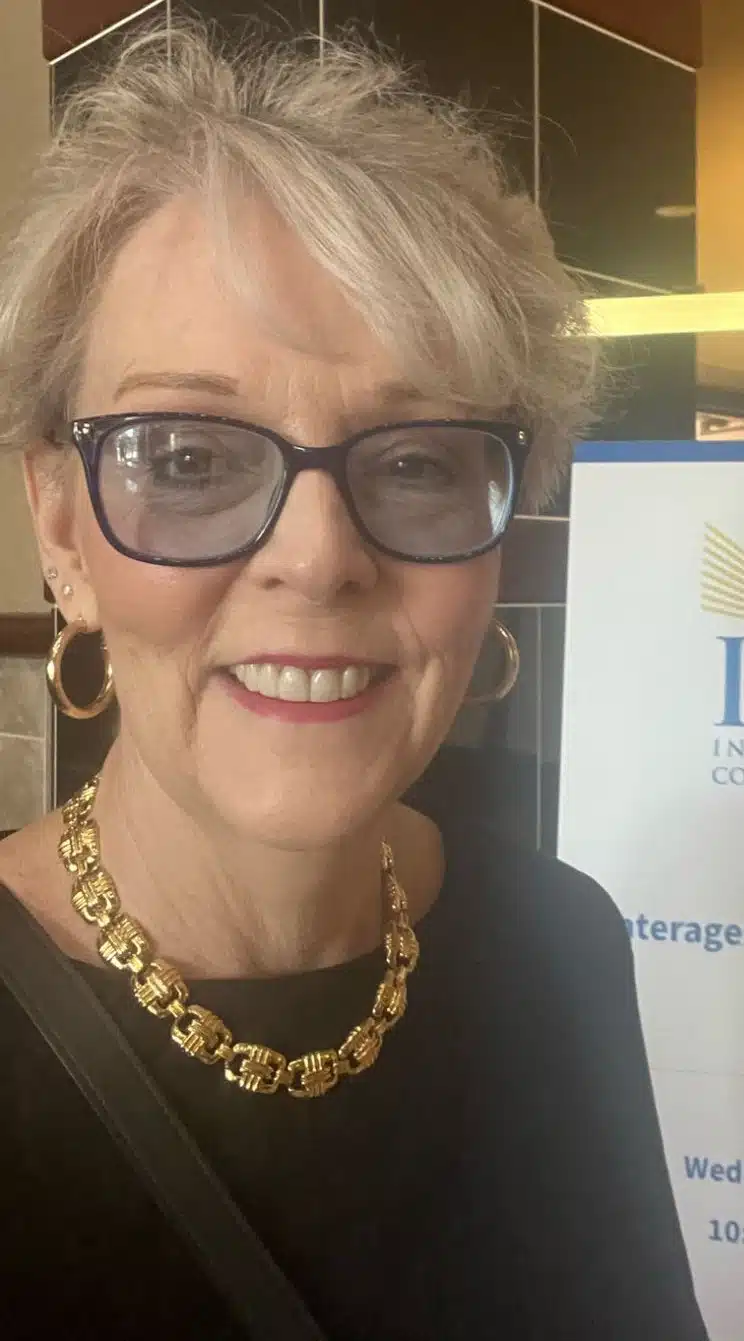
Dr. Gassner shares her unique journey with autism as a late-diagnosed adult and contrasts it with her son’s experience of growing up with a diagnosis. She explains how the internal experience of the presence of autism before knowing and integrating the diagnosis can lead to indescribable senses of unsettledness, disconnect, disorientation, and a near-constant feeling of confusion (9:30).
“We think we’re doing what everyone else does, but we’re getting a different outcome, and we don’t know why. It’s the grand mystery that we’re struggling with.”
The presenter poses three critical questions to consider throughout the presentation:
- How do we maintain the highest cognitive energy for personal success?
- How do we do this while ensuring that personal care and wellness are managed?
- How do we ensure cohesion of the unique identity of the autistic person and continue in the evolution to an authentic self?
Internalizing vs. externalizing presentations (not male vs. female)
Gassner deconstructs the binary understanding of autism and masking, asserting that masking is a universal human behavior, not an exclusive feature of “female autism.” She explains that everyone masks in various social contexts. However, for autistic people, this process is significantly more labor-intensive and cognitively demanding. The speaker advocates for a shift from gender-based distinctions to understanding autism through the lens of “internalizing” versus “externalizing” behaviors (11:00).
The presenter explains that individuals who internalize their autism often go undiagnosed until much later in life, particularly women and other marginalized groups. This delay is primarily attributed to diagnostic biases and instruments that historically focused on more overt, externalizing features. These tools were developed by male researchers who inadvertently overlooked nuanced presentations of autism (14:00). Therefore, Gassner asserts that the male-to-female comparison in autism is ineffective and harmful, reiterating the need to reframe this comparison as internalized vs. externalized features.
Girls under the umbrella of autism spectrum disorders: Practical solutions for addressing everyday challenges. AAPC Publishing (Ernsperger & Wendel, 2007).
Learn more about how women and female-presenting people experience autism in ARI’s article, Women in Autism – featuring interviews with autistic people and experts.
Masking & co-occurring conditions
The presenter connects masking/internalizing to co-occurring conditions, particularly eating differences like anorexia and ARFID. She explains that food/eating disorders in autistic individuals can be a strategy to manage sensory issues, create predictability, and gain control. This makes interventions applied through a neurotypical framework, especially group therapy, ineffective for those autistic people who mask (15:40). Gassner illustrates the importance of building rapport in diagnostic processes by sharing a personal anecdote about her son receiving a typical IQ score only when the psychologist engaged with him on a shared interest. She also explains how burnout can severely impact a person’s ability to participate in evaluations (17:01). While some traits like fine motor delays might be specific to girls, Gassner notes their occurrence in males, underscoring the diversity of autistic presentations (18:25).
Diagnosis & executive functioning
Gassner details the profound risks and harms associated with persistent masking, especially denying necessary support services when professionals do not recognize a condition. The speaker cites research linking masking to higher incidences of suicide, self-harm, misdiagnosis, and medical maltreatment. She discusses “administrative burden,” where the numerous costs associated with accessing care (financial, psychological, and informational) perpetuate uncertainty for autistic people (20:35).
Masking as cognitive multitasking
Gasner discusses masking as a form of intense cognitive multitasking. She explains that simultaneously attempting to focus on conversations, formulate thoughts, analyze others’ speech, gauge timing, evaluate group dynamics, and battle internal messages about belonging is profoundly exhausting. This constant, complex cognitive load is what makes masking highly exhausting to autistic people. Gassner underscores how this perspective redefines masking from a social difficulty to a complex executive function challenge that occurs in social situations (29:45).
Learn more about missed diagnosis and masking from Dr. Hannah Belcher in her presentation, Delayed and Missed Diagnoses of Autistic Women
Embracing authenticity and conscious adaptation
Based on her personal journey with autism, Gassner encourages autistic people to move from masking as a default to making it a conscious choice for adaptation, when necessary. She asserts that this is a difficult transition, but things can improve. Through her journey of internalizing her autism, the speaker has gained a deeper understanding of how she experiences the world. She asserts that this self-awareness allows her to be fully disclosed in her environments and selectively prepare for situations requiring more effort, such as professional summits. By choosing when to adapt, rather than constantly hiding, autistic people can conserve energy and cultivate a more authentic existence (31:23).
“What I have concluded from figuring that out for myself is that I now have internalized my autism… I’m able to choose and anticipate environments where I’ll need to mask and prepare for it… That’s very different than defaulting to masking.”