Descriptions of language and communication in autism
Kana describes language and communication difficulties in autism and how they translate into social differences in everyday life (2:55). Descriptors of autistic communication within the literature include early language delays, atypical features (e.g., echolalia and jargon), failure to acquire spoken language across the lifespan, and discourse processing difficulties (5:30). The speaker lists conditions that commonly co-occur with language processing difficulties, emphasizing that these conditions often exacerbate obstacles to language comprehension (6:50).
The presenter outlines a study that found that word comprehension plays a significant role in joint attention and that joint attention is critical to early language development (7:50). Two other studies suggest autistic children have strong decoding skills (11:30) but low language comprehension (9:15). Many components of reading comprehension, Kana explains, can be difficult for autistic children. Therefore, understanding how co-occurring conditions contribute to language and communication challenges is critical to implementing successful interventions (10:30).
Brain, language, & reading comprehension in autism
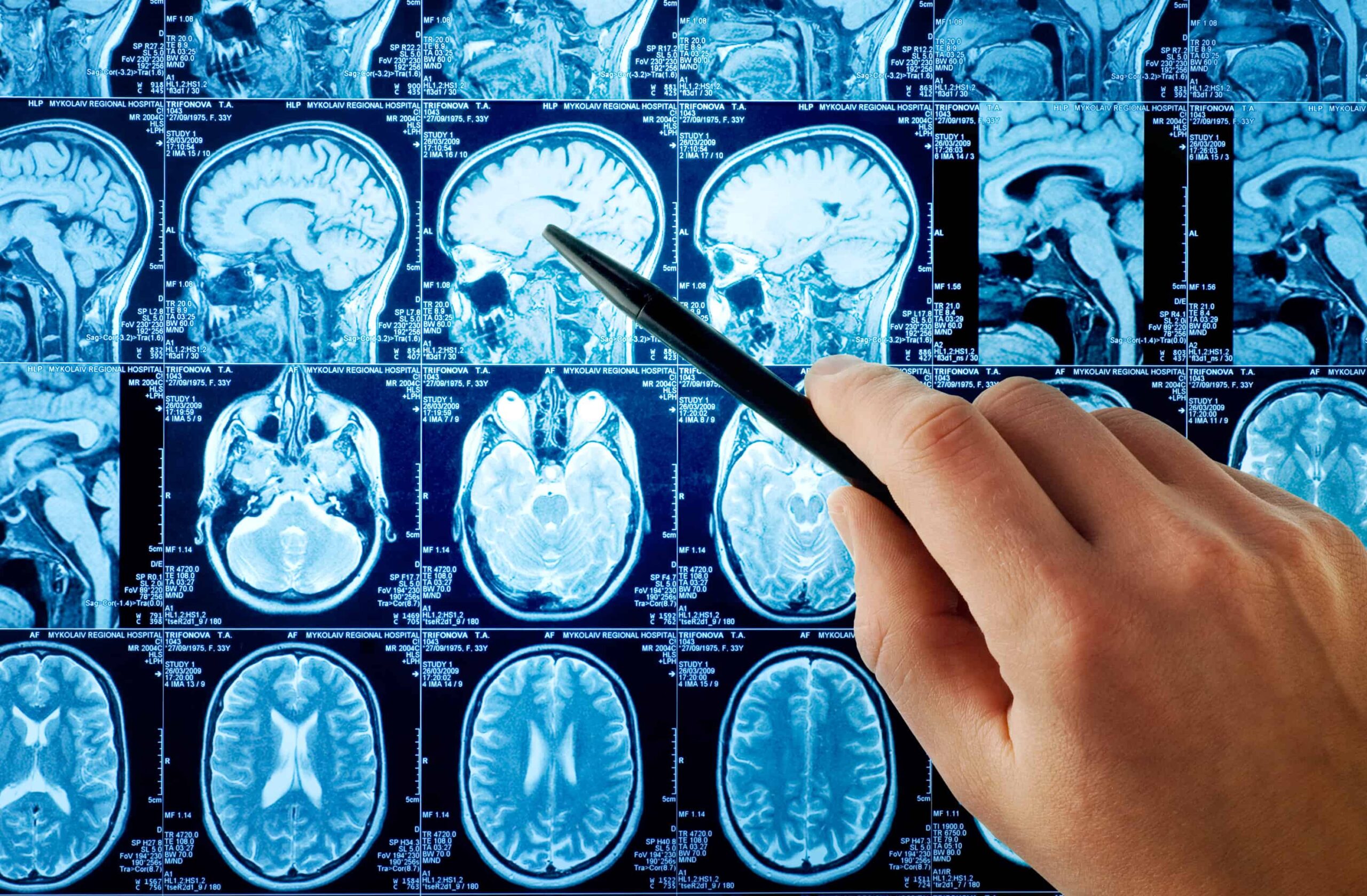
Multiple studies on brain response to auditory word stimulations report higher activation of the right brain hemisphere (Wenicke’s area) in autistic groups compared to non-autistic controls (13:50) These findings, Kana continues, are supported by a recent meta-analysis, which also found lower activity in the left brain hemisphere (Broca’s area) of autistic participants compared to their non-autistic counterparts (18:10). The speaker asserts that these data show a distinct pattern of brain activity in autistic individuals.
Sentence imagery findings indicate that autistic participants also have higher visual-spatial activation compared to controls, further evidencing that autistic people tend to be visually oriented (19:15). Kana cites a study that showed significant overlap in Theory of Mind and pragmatic (social) language processes between autistic and non-autistic groups. The study also found reduced activity in social cognitive networks in autistic groups compared to controls (21:05). These patterns in autistic brain activity can inform our general understanding and assessments of language and reading comprehension in autism (22:12).
Targeting neuroplasticity in autism
The speaker uses the invention and development of reading to illustrate the human brain’s plasticity and capacity to learn (22:37). He reviews early brain plasticity studies (25:05) and explains how the discovery that new neurons can appear in the adult brain massively shifted our understanding of neuroplasticity (27:40). Kana describes differences in the brain structures of London taxi drivers (28:44) and meditative monks (29:50), highlighting the importance of brain plasticity in our everyday lives. Two studies on brain imagery and reading interventions in dyslexic children found changes in reading comprehension (30:25) and increased grey matter volume in participants following reading comprehension interventions (31:49). Kana ponders the creation and adoption of language, underlining the human brain’s capacity for change and how that can apply to evidence-based interventions (33:05).
Using reading intervention to change the brain
The presenter describes an ongoing reading comprehension intervention trial, detailing study procedures (35:40), assessment protocol (38:00), and the Visualizing and Verbalizing for Language Comprehension and Thinking (V/V) Intervention Program (39:55). Preliminary data show significant improvement in comprehension skills for autistic participants (41:58) and that social cognition (43:40) and verbal working memory (45:15) may predict language comprehension.
Kana discusses regional brain interactions (brain connectivity) and their use as a measure of changes in brain activity (47:55). Data from the ongoing reading comprehension study show (to this point) significant increases in local (51:00) and regional (49:00) brain connectivity, specifically between Broca’s and Wernicke’s areas. He notes that changes in connectivity are correlated to behavior function and advances in comprehension (49:40). These preliminary findings, the presenter asserts, provide an exciting peek at the potential of reading interventions in autism.
The speaker summarizes initial data findings, highlighting the significant increases in comprehension following a reading intervention and how those changes are related to brain connectivity and neuroplasticity (51:40). He reiterates the parameters of the ongoing trial and provides information for interested participants (52:30) before the Q&A (54:05).