



Treatment of Elopement: Safety Tips and Considerations in Programming
Elopement in Autism Scheithauer defines elopement as any time that a child leaves supervision. This can include leaving the home, bolting away in public, getting lost in a store or

Perspective: Adult sibling with profound Autism
Early Life, Diagnosis, and Family Response Mostafavi’s brother was born in 1995, when she was just two years old. During pregnancy and early infancy, his development seemed uncomplicated. However, at


Caregiver Strategies for Building Infant Social Interaction
Introduction Vismara introduces the Infant Start Manual, an extension of the Early Start Denver Model that focuses on infant social interactions (1:30). She highlights the need for innovative, flexible approaches
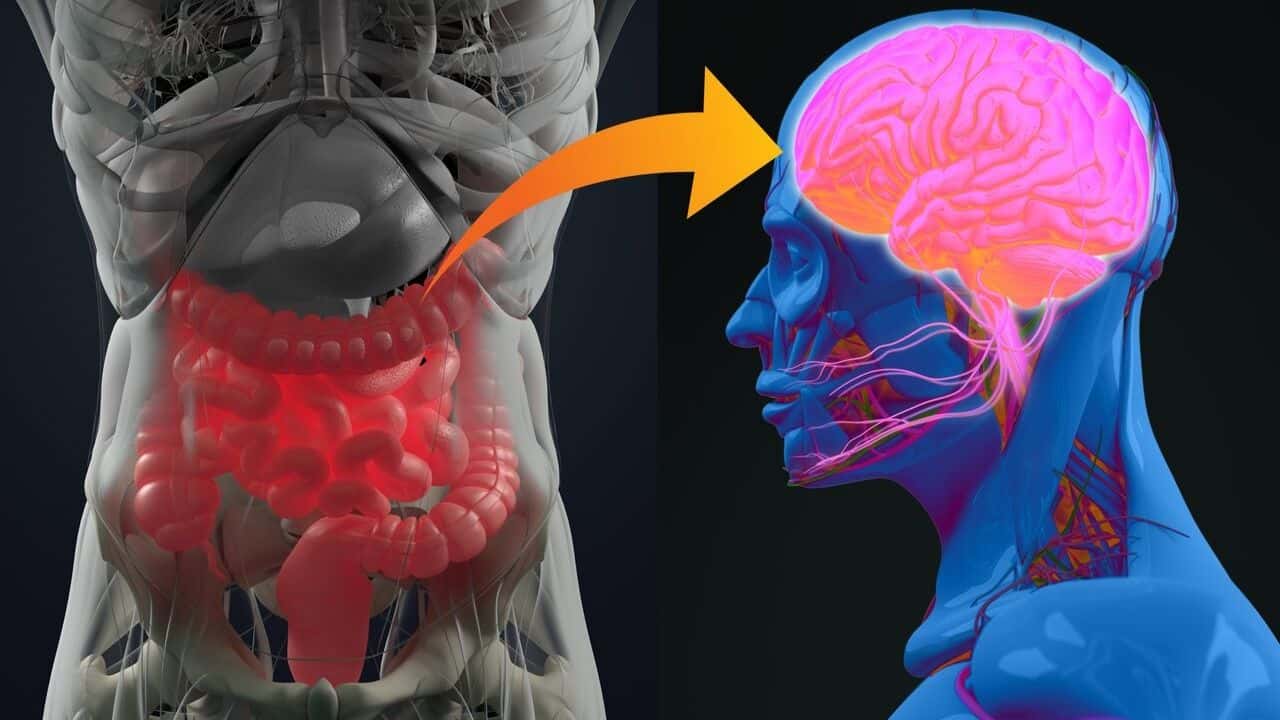
The Gut, Autism, and Mental Health
Autism and gastrointestinal issues Holingue outlines common clinical characteristics of autism and explains how co-occurring medical conditions affect autism heterogeneity (1:50). People with autism often have complex healthcare needs but

Parents and Caregivers: The Importance of Self-Care
Self-care for parents and caregivers Tami introduces the presentation agenda (0:40) and summarizes the current face of mental health in the US (1:30). Since the pandemic, she explains, the number of people seeking
Part 1: Challenges when your son or daughter is experiencing a difficult time
Shattock details his son’s behaviors across his lifetime and describes the experiences of his family and community in creating supportive environments for Jamie and his peers. He recounts Jamie’s diagnosis,

Transitions from Pediatric to Adult Medical Care
Introduction to transitions Carrie Cuomo outlines the presentation objectives (00:56) and notes that individuals with autism do not receive health care transition services (HCTS) at the same rate as their non-autistic peers (2:09).

Part 3: Live Q&A — Sensory Strategies at Home
Sensory differences and how to talk about them Peña discusses the frequency of sensory processing differences in individuals with autism (1:38). She emphasizes the need to ask autistic people about their