
Nutritional Neurobiology of Autism: Revisiting the Zinc Hypothesis
Recent data support a model in which altered zinc biology may act as a modifiable risk factor within a gene–environment interaction framework in autism. Disrupted zinc homeostasis may be a key mechanistic contributor to autism pathophysiology, and it is mimicked to some extent by other risk factors. This talk critically evaluates the hypothesis that ASD reflects a developmental zinc deficiency at the molecular and synaptic levels. The presentation will integrate molecular, genetic, nutritional, and translational evidence and address inconsistencies and methodological limitations in the field.

Watch Next
2026 Research Updates: GI Symptoms & Behavior
Bradley Ferguson, MA, PhD
Dr. Bradley Ferguson, PhD, a 2024 research grant recipient, will share emerging research on the interaction of GI symptoms and behavior in…

Research Updates: What Can Monogenic Syndromes Tell Us About the Underlying Causes of Autism?
Daniel Vogt, PhD
Dr. Daniel Vogt, Ph.D., will discuss his current research on monogenic syndromes and what they can tell us about the…
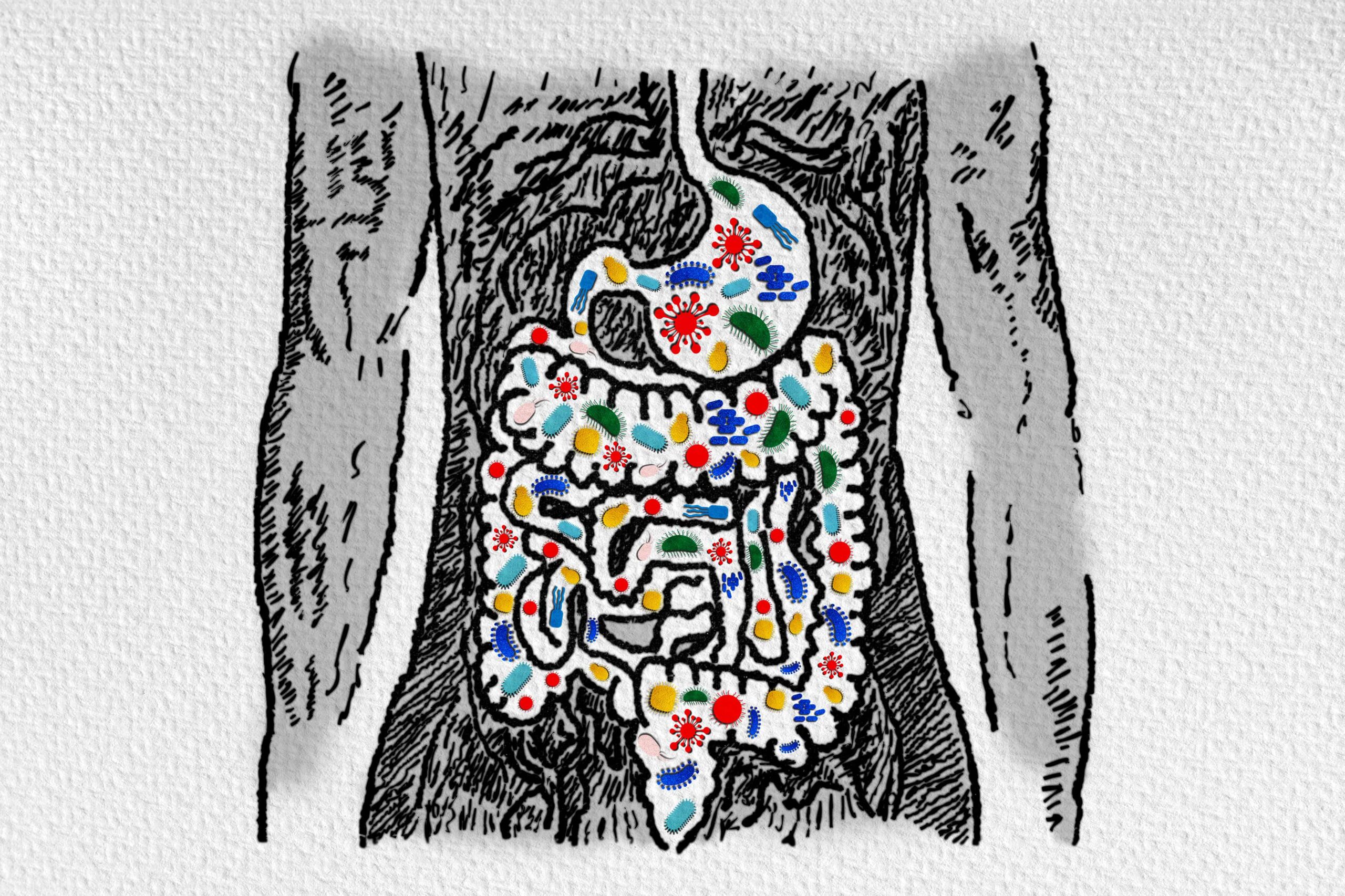
Research Updates: Microbiome Research and Autism
Rosa Krajmalnik-Brown, PhD
Rosa Krajmalnik-Brown, Ph.D., discusses her research on gut microbiota in individuals with autism who have gastrointestinal (GI) problems. She shares…

Sustained Potential as a Biomarker of Language Functioning in Autism
Vardan Arutiunian, PhD
Sustained potential (SP) is a neural response to periodic auditory stimuli registered with EEG 40Hz Auditory Steady-State Response. The talk…