Immune system dysregulation is linked to various conditions that co-occur with autism. These include chronic inflammation, GI problems, autoimmune diseases, and mental health issues. For many autistic individuals, immune dysregulation can impact daily living, well-being, and overall quality of life. This list of resources covers contemporary research on the drivers of immune dysregulation and nutritional treatment strategies for immune dysfunction in autism.
Red and white blood cells

Articles on Immune Function & Autism

A 2018 study at UC Davis MIND Institute found that children with autism spectrum disorder (ASD) have reduced immune system regulation, as well as shifts in their gut microbiota.

View Study Summary & Presentation Outline

A new study reports that the brains of individuals with autism spectrum disorder (ASD) frequently show evidence of an immune system response targeting specialized brain cells.

In the post-mortem study, Marcello DiStasio and colleagues compared brains from 25 donors with ASD to brains from 30 neurotypical donors matched as closely as possible for age and medical history. In more than two-thirds of the brains of individuals with ASD, the researchers detected an excess of perivascular lymphocyte cuffs, which are accumulations of immune cells surrounding blood vessels in the brain. These cuffs are an indicator of chronic inflammation. The researchers also identified bubbles or blisters called blebs around the cuffed blood vessels, and determined that these contained debris from a type of brain cells called astrocytes.

Read More

Originally published in the Autism Research Review International Vol 33, No 4

A new study by researchers at the University of Virginia reports surprising evidence that the immune system directly affects social behavior.

“The brain and the adaptive immune system were thought to be isolated from each other, and any immune activity in the brain was perceived as sign of a pathology,” study coauthor Jonathan Kipnis says. “And now, not only are we showing that they are closely interacting, but some of our behavior traits might have evolved because of our immune response to pathogens. It’s crazy, but maybe we are just multicellular battlefields for two ancient forces: pathogens and the immune system. Part of our personality may actually be dictated by the immune system.”

Read More

Originally published in the Autism Research Review International, Vol 30, No 3

Intravenous immunoglobulin (IVIG) infusion may result in improvements in behavior and reductions in neuroinflammation in a subgroup of individuals with autism spectrum disorders (ASD), a new study reports.

IVIG infusions, which contain antibodies taken from donor blood plasma, are currently used to treat a number of disorders involving immune system dysfunction. Because many individuals with ASD show signs of immune dysregulation and inflammation, Isaac Melamed and colleagues decided to test the effects of IVIG on this population. The researchers administered high-dose IVIG to 14 individuals diagnosed with ASD and exhibiting evidence of immune dysregulation. Participants underwent IVIG therapy for ten 21-day cycles.

Read More

Originally published in Autism Research Review International, Vol 32, No 1

Many individuals experience symptoms including bloating, abdominal pain, diarrhea, anxiety, and cognitive problems when they eat foods containing gluten—a condition called non-celiac gluten or wheat sensitivity (NCWS). A new study indicates that NCWS, which affects many people with autism, stems from a “leaky gut” that causes body-wide inflammation.

Peter Green, a co-author of the study headed by Melanie Uhde, says, “Our study shows that the symptoms reported by individuals with this condition [NCWS] are not imagined, as some people have suggested. It demonstrates that there is a biological basis for these symptoms in a significant number of these patients.”

Read More

Originally published in Autism Research Review International, Vol 30, No 4

A large-scale study by researchers in Sweden, Finland, and the United States indicates that alterations in gut flora during infancy are associated with an increased likelihood of a child developing autism spectrum disorder (ASD) or another neurodevelopmental disorder (ND).

Angelica Ahrens and colleagues analyzed data collected on more than 16,000 children followed through the All Babies in Southeast Sweden (ABIS) study. Of the children, nearly 1,200 had been diagnosed with ASD, attention-deficit/hyperactivity disorder (ADHD), a communication disorder, or intellectual disability. Using extensive information collected on the ABIS cohort, the researchers looked for biological and environmental factors associated with an ND diagnosis. In addition, for a subset of children, they analyzed umbilical cord blood samples taken at birth, and stool samples collected at one year of age.

Read More

Originally published in the Autism Research Review International, Vol 38, No 2

Webinars on Immune Function & Autism

Dr. Judy Van de Water, Ph.D., explores the role of gestational factors in the development of autism. She explains how maternal immune activation, antibody patterns, and immune markers play significant roles in neurodevelopment and may contribute to the etiology and phenotypic variation of autism. The speaker presents various investigations and critical findings. She asserts the need for further research on the interaction of these gestational influences with other genetic and environmental factors. Van de Water provides thanks and acknowledgments before the Q&A.

View Summary & Quiz

Alan Gutierrez, MS, RD, LD presents on optimizing immunity with nutrition and lifestyle. The speaker outlines the dangers of flu season and provides a brief overview of the immune system and its functions. He describes the GI tract as an extension of our external environment, underscoring its significance in immune response and stability. Gutierrez advises on nutrient-rich foods, their benefits to the immune system, and how to prepare them for optimal nutrient intake. He discusses critical vitamins and urges viewers to use caution and consult a practitioner before adding supplements to one’s diet. The speaker touches on the importance of lifestyle in long-term immune health, especially sleep, hygiene, physical activity, and stress. Gutierrez provides suggestions for stress management and summarizes the presentation in five action items.

View Summary & Quiz

This is a joint presentation with the Johnson Center for Child Health & Development

Jennifer Frankovich MD MS, clinical professor at Stanford University/Lucile Packard Children’s Hospital, discusses the co-occurrence of systemic inflammatory and autoimmune diseases – including the overlap between pediatric acute-onset neuropsychiatric syndrome (PANS) and autism. She outlines the presentation of classic rheumatologic diseases noting the prevalence of mental health symptoms and provides clinical criteria for PANS. Frankovich discusses PANS as a relapsing/remitting condition and explores the clinical management options, citing recent studies on steroid use. She concludes by reemphasizing the association of psychiatric symptoms with autoimmune and rheumatologic diseases and states the importance of post-flare rehabilitation before opening the floor to questions.

View Summary & Quiz

Kelly Barnhill, MBA, CN, CCN, describes a clinical approach for implementing a gluten-/casein-free diet. She reviews autoimmune and neuroimmune diagnoses and associated inflammatory concerns and discusses anti-inflammatory diets across immunological conditions. The speaker considers appropriate assessment considerations and provides practical approaches to successful transition to a healthy gluten and casein free diet. Barnhill answers questions about supplements, specific diets and more during the Q&A.

View Summary & Quiz

Vicki Kobliner, MS RDN, CD-N, dives into evidence-based approaches for nutrition in autism, PANS/PANDAS, and POTS. She describes nutritional biochemistry and which nutrients are vital to proper gut and overall body function. The speaker discusses a 2018 study that employed holistic nutrition-based treatment strategies over 12 months. Kobliner underscores the gut-brain communication pathway and outlines what a nutrient-rich, healing diet looks like. She touches on PANS/PANDAS and POTS, noting that nutritional treatments and strategies greatly resemble those she discussed for autism. The presenter highlights inflammation as a driver for many behaviors and presentations of autism, PANS/PANDAS, and POTS. Kobliner underscores the importance of balance in a healthy diet before the Q & A session.

View Summary & Quiz

Judy Van de Water, Ph.D., discusses current machine learning research used to identify several patterns of maternal autoantibodies associated with the diagnosis and severity of autism. She outlines the history of autoantibody research related to autism, defines a new subtype, and details animal model development. Van de Water discusses commonalities across presented models and findings, highlighting the potential for biomarkers and preclinical studies. She summarizes significant findings and research themes before opening the question and answer session.

View Summary & Quiz

Susan Swedo, M.D. discusses research findings on causes, symptoms, and treatments for PANS/PANDAS. She highlights the differences in syndromes and diseases and discusses the diagnosis and clinical presentation of PANS/PANDAS, asserting that comorbidities are the rule, not the exception. Dr. Swedo also details the disease pathway and historical links of OCD and Sydenham Chorea to PANDAS and affirms its recognition as a form of autoimmune encephalitis. 

View Summary & Quiz

Dr. Emily Casanova and Rosie Head discuss research updates on Ehlers-Danlos Syndromes (EDS) and their overlap with autism. Casanova outlines ongoing research investigations into the genetic factors that contribute to the expression of EDS in individuals with Fragile X Spectrum Disorders (FXS). Head dives into overlapping symptomology of EDS and autism and draws from personal experiences to provide suggestions and insights on treatments and diagnosis. The presenters discuss further symptoms of EDS, EDS diagnosis and research, and share personal experiences with self-advocacy in the Q & A.

View Summary & Quiz

Help ARI improve the quality of life of autistic individuals

  • Boy has strep throat. Children's ENT doctor examines boy's throat. Children's diseases, medical examination.

PANS/PANDAS in Children with Autism

August 26th, 2020|Health, News, PANS/PANDAS|

The information below is from the 2019 ARI webinar, PANS/PANDAS - Research Updates In rare cases, some children may experience the sudden onset of Obsessive-Compulsive Disorder or eating disorders. This pediatric acute-onset

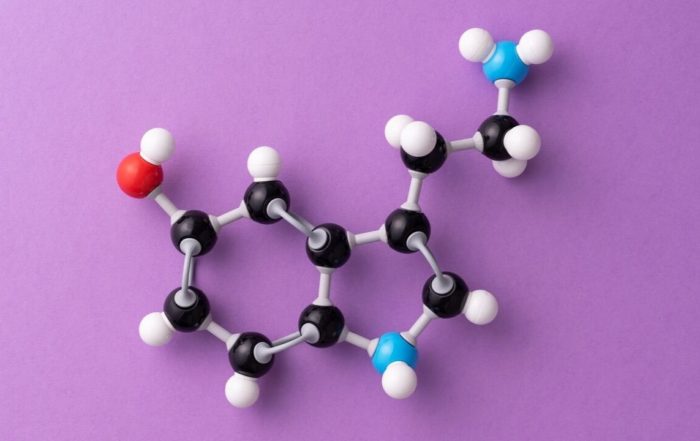
  • serotonin

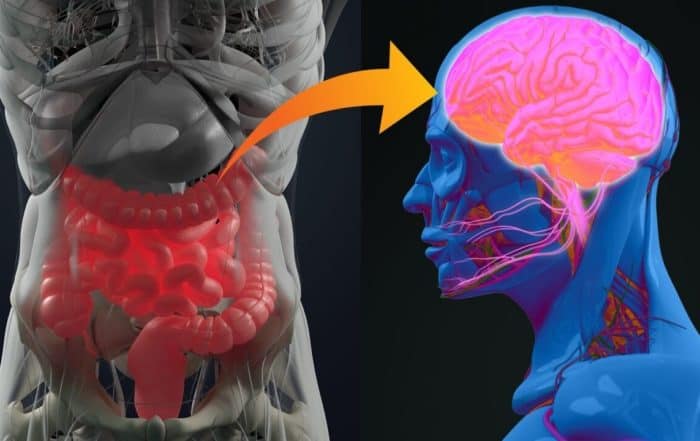
Gastrointestinal Issues and Autism Spectrum Disorders: Serotonin as a Potential Brain-Gut Link

November 18th, 2014|Gastrointestinal, Gastrointestinal, Health, Immune Issues, Nutrition, Webinar|

Handouts are online at: https://www.ariconference.com/webinars/margolis.pdf Free certificates of participation are available online following successful completion of a brief knowledge quiz at: https://www.classmarker.com/online-test/login/ Kara Gross Margolis is a pediatric gastroenterologist whose clinical subspecialty